








The Labour Cost of Complexity: Why the Shortage Isn’t Just a Hiring Problem
Ask any integrator what keeps them up at night and labour will be near the top of the list. Open tech positions sit unfilled for months. Good techs burn out. Every new hire takes time to get productive. The industry’s answer has mostly been to recruit harder. But when we sat down with three integrators at ISC East to talk it through, one thing kept coming up: the shortage isn’t only about the people we can’t hire. It’s about the hours we’re losing with the people we already have.
It’s not just a hiring problem
Fragmented systems create work that shouldn’t exist. When a single site runs on three or four platforms from different manufacturers, every task takes longer: programming, troubleshooting, training the customer and sorting out whose problem it is when something breaks. That time comes straight out of tech capacity. Hiring more people into the same complexity doesn’t fix the math. Taking the complexity out does.
Where the hours actually go
The biggest drains aren’t dramatic. They’re the truck roll 90 days after install because of a programming miss or a detail nobody caught. They’re the last 5% of a job, where punch lists and closeout drag on for weeks. And they’re the handoff from install to service to the customer, where knowledge gets lost and the same questions get asked twice. The integrators getting ahead of this are treating each one as a process problem. They’re tightening up commissioning, building standard handover practices and keeping everyone on the project team on the same page from day one.
Labour costs are decided at the spec
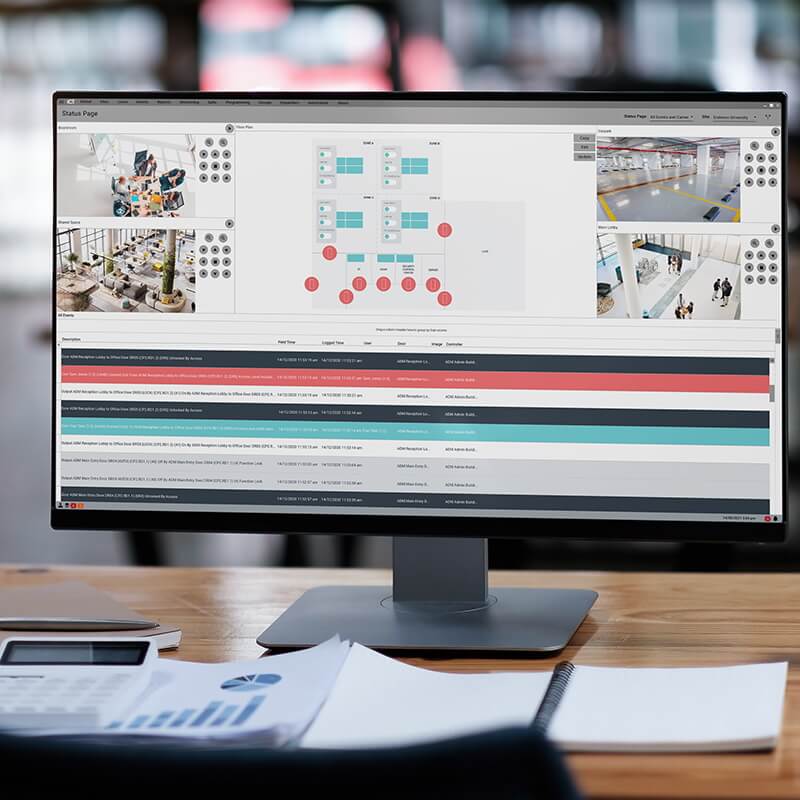
What a site costs to support three years from now is mostly locked in before the first device goes on the wall. The integrators on our panel look for one pane of glass, an interface the customer can learn even when their own staff turns over and enough flexibility to tailor the system to the site. They also know when to push back. A customer’s wish list isn’t always a sound strategy, and setting realistic expectations up front saves far more than it costs. That matters most with IT decision makers, who usually want the least work possible after go-live.
Sell the long view
The hardest part is often the bid. A less complex system can lose on upfront price to one that will cost the customer more every year it runs. That’s why total cost of ownership has to be part of the conversation from the start: service calls avoided, training time saved and how the system holds up as the customer’s needs change. Many customers are also rethinking CapEx versus OpEx, which opens the door to recurring revenue models built on systems that are easier to support. The integrators winning here are training their teams to listen for pain points and connect them to the bigger picture.
Where AI fits
AI won’t install a reader or pull cable. But it is starting to take repetitive work off integrators’ plates: quoting, documentation, remote diagnostics and getting new techs up to speed faster. The goal isn’t fewer people. It’s giving skilled techs more time for the work only they can do.
Have a labour challenge of your own? We’d love to help you work through it. Talk with our team.