









A Simple Approach to Securing Hazards
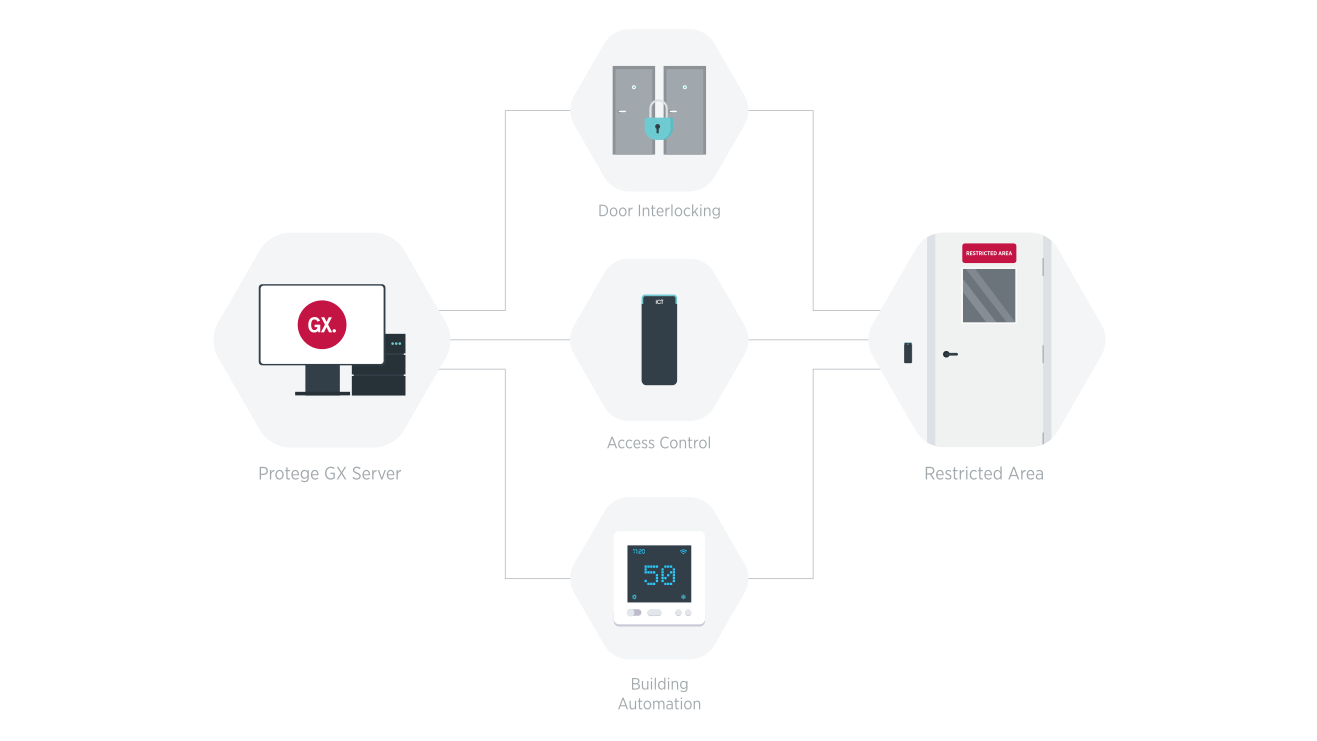
We’ve all seen those sci-fi movies where the outer airlock door needs to be closed and the area pressurized before the internal interlocking doors will open. But did you realise you were watching door interlocking at work? At face value, this may not seem as impressive as more visible types of security, however, it’s a perfect example of using technology to make separate parts of an access control system more valuable by using them together. Traditionally you needed separate systems to control interlocked doors, but with this feature built into ICT’s Protege platform, it’s easy to use door interlocking as part of your access control and building automation solution.
What is door interlocking?
You may have also heard of door interlocking referred to as a mantrap or sally port. While the term “mantrap” is relatively self-explanatory, the term “sally port” has historic military origins, describing a secure gateway used to control movement in and out of a fortress.
In its simplest form, door interlocking involves two or more electronically connected doors that operate sequentially. One door cannot open until the other has fully closed, ensuring there is never an open path between a secure and hazardous area. This mechanism prevents accidental exposure to risks, protects personnel, and maintains containment in controlled environments.
Modern interlocking systems go beyond basic functionality by integrating seamlessly with advanced access control platforms. Additionally, their customizable settings allow organizations to tailor operations based on specific safety or security requirements. These innovations make door interlocking a highly reliable and adaptable solution for managing access in sensitive or high-risk areas.
ICT’s integrated solution
Historically, systems have required additional tools to enable door interlocking, and they wouldn't work together with access control.
Unlike other solutions, ICT's integrated platform needs no additional software* and door interlocking can be configured in just a few short steps.
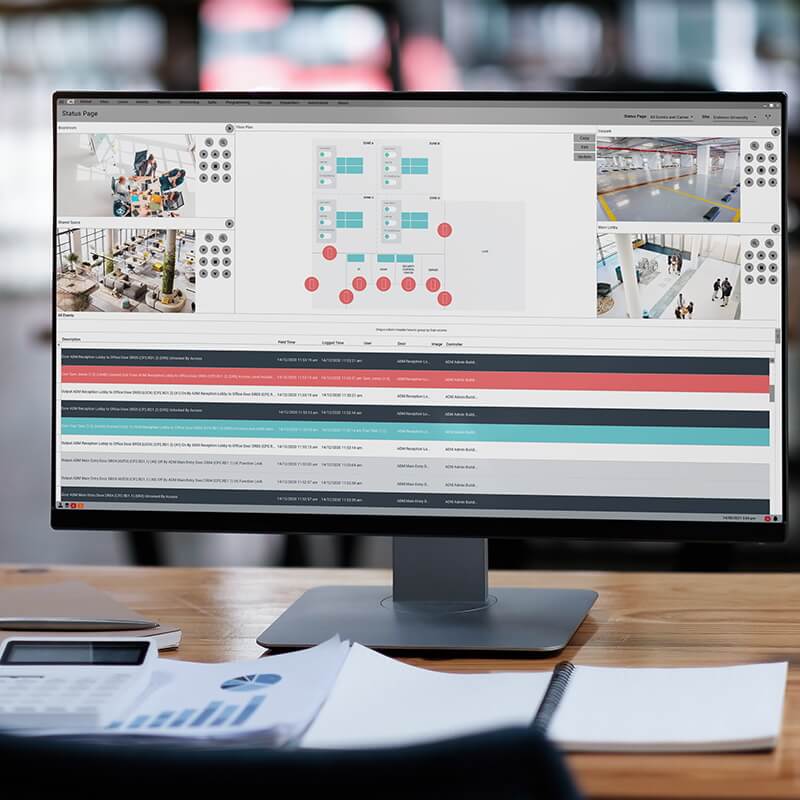
Integration with Access Control
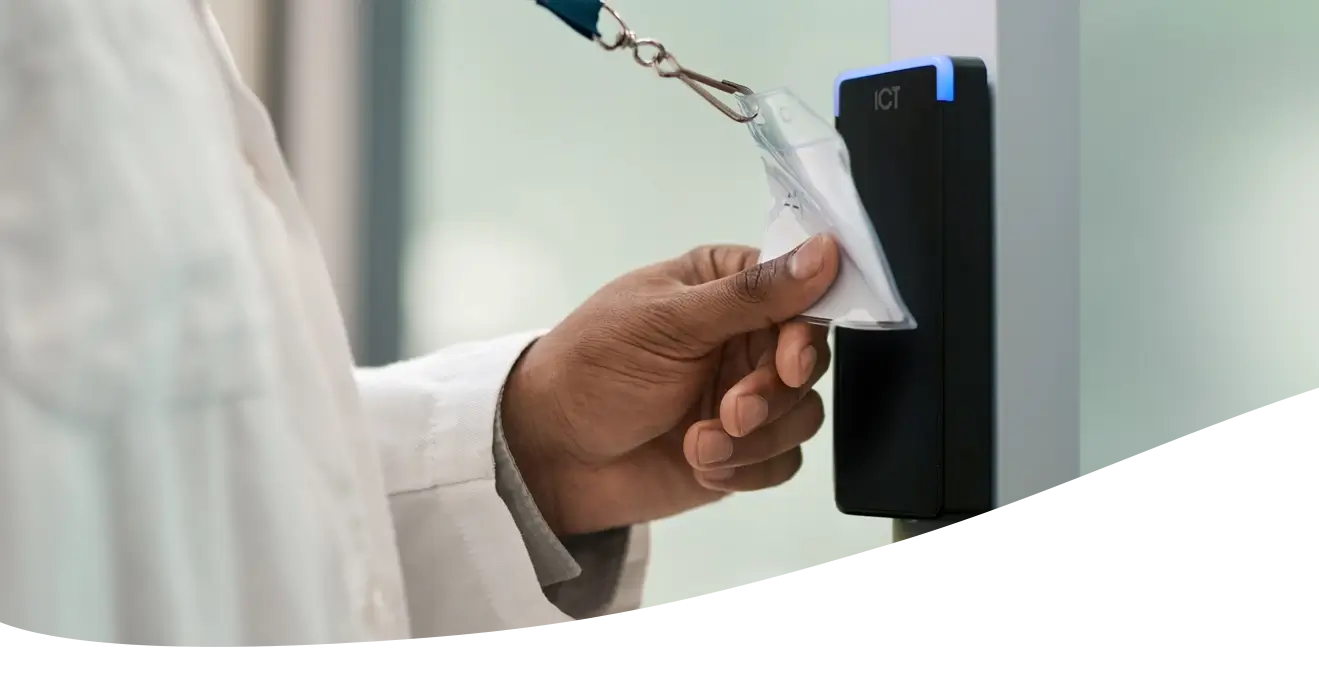
Integrating interlocks with advanced security and automation features is straightforward. For heightened security, interlocks can be combined with two-factor authentication, ensuring only authorized individuals gain access.
Building automation can also be seamlessly incorporated, allowing systems such as HVAC or lighting to activate automatically when an interlock is engaged.
Enhancing Safety with Door Interlocking
As well as automation, integrations and two-factor authentication, there are other features available with an ICT system that add value when used in conjunction with door interlocking. These include:
- Dual Custody is where an object is treated the same way as a human user, so you can control and monitor the flow of objects through a building
- Compliance Types that ensure people entering a restricted area have the appropriate current training and certification
- Area Counting to limit the number of people in an area
- Loiter Areas which allow users to transit through an area but prevent them from remaining too long
- Dual Authentication where two authorized users must supply credentials to gain access
ICT's unified access control, intruder detection, and building automation solutions mean that door interlocking has moved from simple containment to a multi-functional system that is increasingly safe, automated, and accountable.
You can find out more about this and see how quick and easy it is to configure interlocks in Protege GX on our Door Interlocking page.
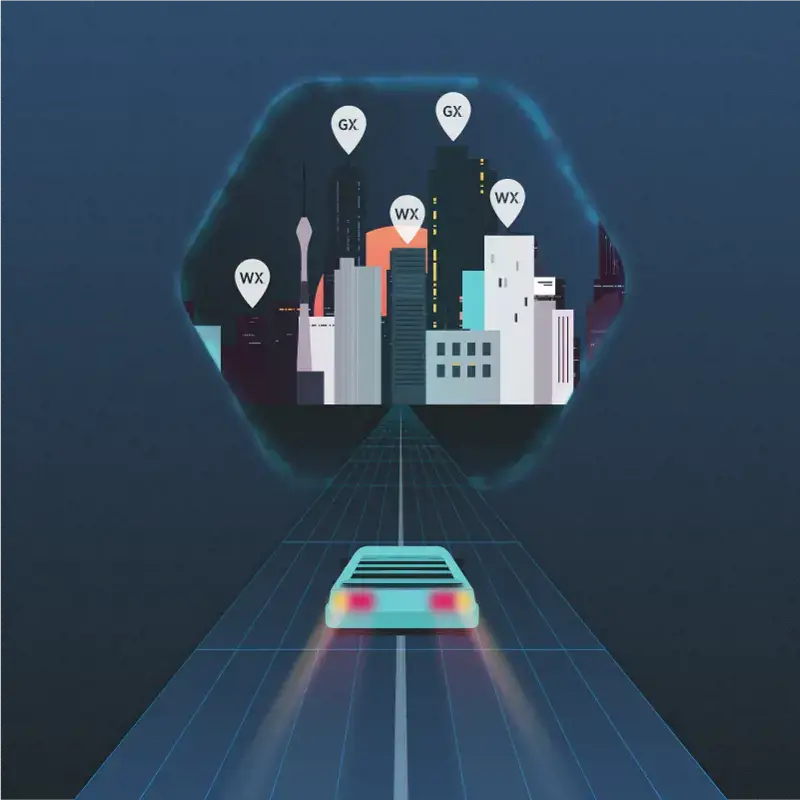
- Door interlocking in Protege WX requires advanced mode to be enabled. This is as simple as completing your Protege WX certification.
Posted on
Industry & Technology