








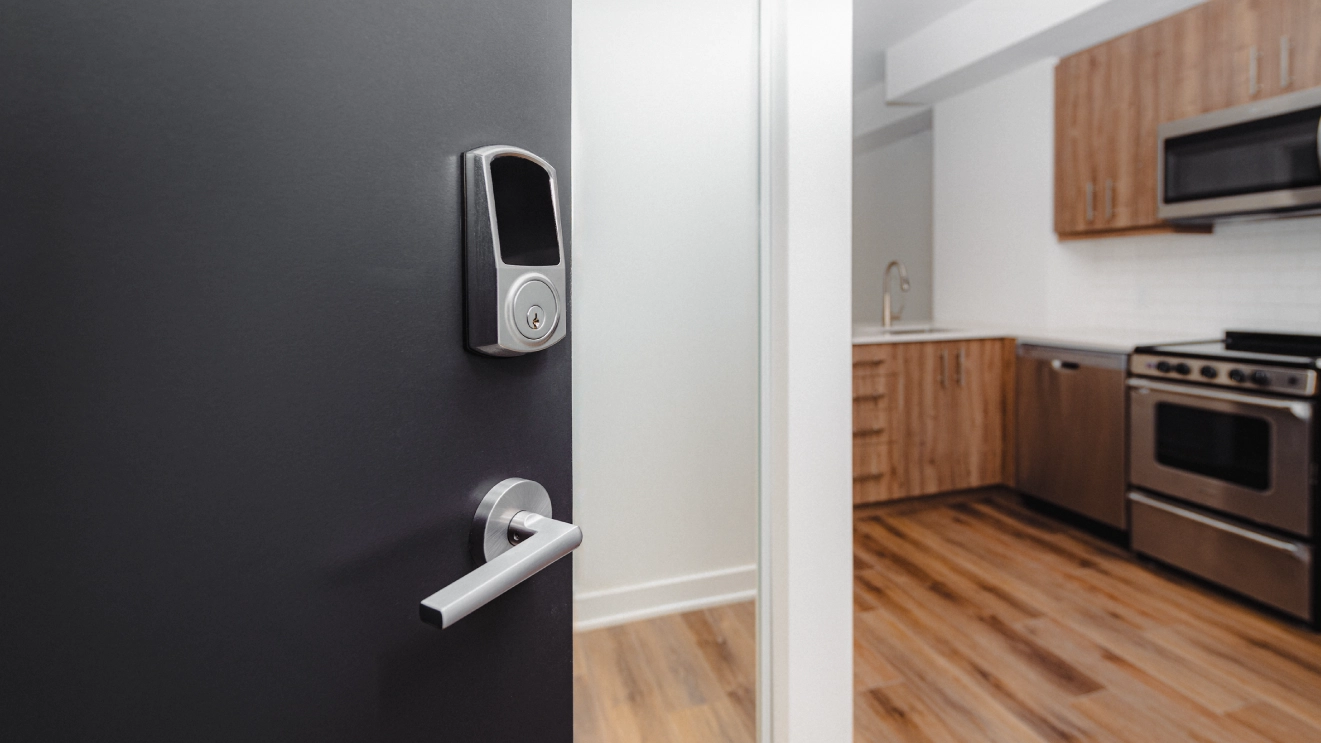
Multifamily Turnover Is an Access Control Problem, Not Just a Leasing One
A 200-unit property can turn over 40 to 60 leases a year. Every move-out used to mean a lock to rekey, a fob to deactivate and a resident file to update by hand, repeated on every unit, for the life of the contract.
That cycle is what makes multifamily different from a single-tenant install. The property doesn’t stop changing once the system goes live, and neither does the work of keeping access current. Whoever wins this bid isn’t just installing a system. They’re taking on that cycle for years to come.
The cost hiding inside every lease
Mechanical locks and physical keys carry a cost that doesn’t show up until after the contract is signed. A lost key means a locksmith visit or a full cylinder change, not just a replacement card. A resident who moves out on a Sunday night still has a working key until someone physically swaps the lock. On a large property, that adds up to a steady stream of small callbacks that eat into the maintenance budget and, eventually, into your service margin.
Credential-based access removes the physical dependency. Deactivating a departing tenant’s fob or mobile credential takes an administrator a few clicks, not a technician a site visit. The building stays secure between one tenant leaving and the next one moving in, without anyone standing at the door with a screwdriver.
Why licensing terms decide whether multifamily protects your margin
Multifamily is a licensing math problem before it’s a hardware one. A property with 30 percent annual turnover adds and removes hundreds of credentials a year. On a platform that charges per user, that turnover quietly erodes the margin you priced into the original bid.
Protege GX doesn’t charge per user. Once the system is licensed, adding the four-hundredth resident costs the same as adding the fourth. That single term changes how you price a multifamily account: turnover becomes the property manager’s operational reality, not a recurring cost you have to absorb.
The hardware side works in your favor too. DIN rail-mounted controllers cut the wiring and labor time per door, which matters more on a 150-door property than it does on a single-tenant office. Less install time per door can be the difference between a bid that wins and one that doesn’t.
One system for access, intrusion and automation across the property
A typical multifamily site needs access control at the building perimeter and shared amenities, an intrusion system inside individual units and building automation to manage shared costs like lighting and HVAC. Historically, that has meant three vendors, three interfaces and three support contracts for your team to manage.
Protege GX runs all three from one platform. Inside each unit, the EliteSuite keypad gives residents a discreet way to arm and disarm their own intrusion system, with a unique PIN issued and revoked the same way as their door credential. On-site security staff can monitor and respond to unit alarms from the same system they already use for building access, instead of logging into a second platform.
For your team, that means one system to install, one to configure and one to support, whether the call is about a door, an alarm or a thermostat schedule.
Turning turnover into retained business
The work doesn’t end at handover on a multifamily account. Every lease signed, renewed or ended is a credential change, which means every lease is also a reason for the property manager to stay in touch with whoever installed the system.
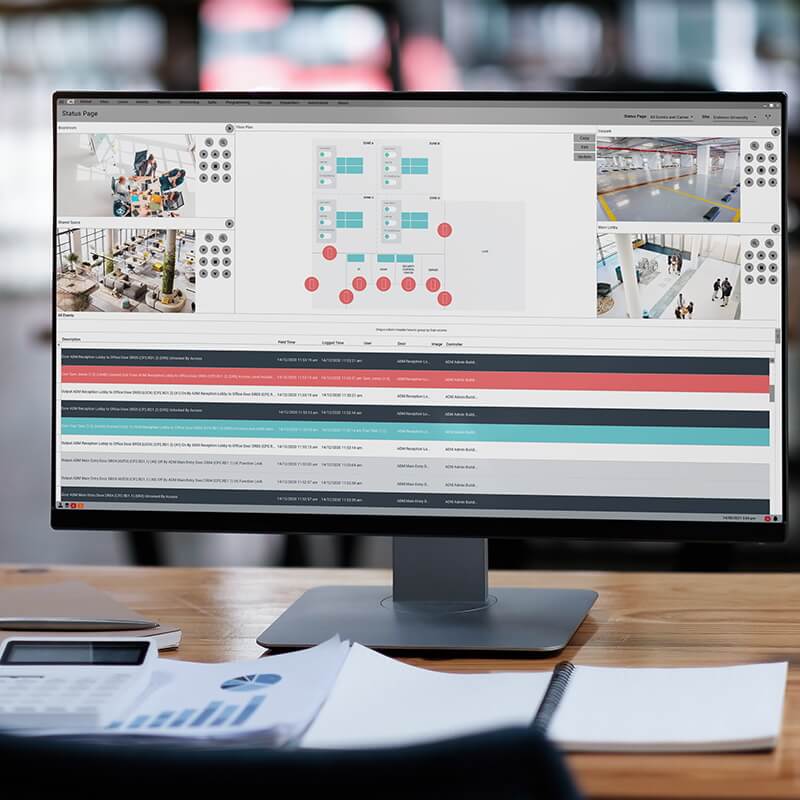
Property managers handle residents directly in Protege GX, and every change syncs immediately to every door, keypad and reader on site. Residents get the same flexibility through the Access+ app, unlocking doors and managing visitor access from their phone.
Routine moves and adds take the property manager a few minutes on their own, no call to you required. Anything structural, from a new amenity space to a portfolio-wide upgrade, is still a conversation with the integrator who understands the site. That’s the difference between a one-time install fee and an account that keeps generating service revenue.
What this looks like on the ground

Consistent security at every door
The same credential rules apply to the lobby, the amenity spaces and each unit, so a departing tenant loses access everywhere at once.
Lower shared utility costs
Lighting and HVAC automation respond to occupancy, cutting energy waste in common areas and vacant units alike.
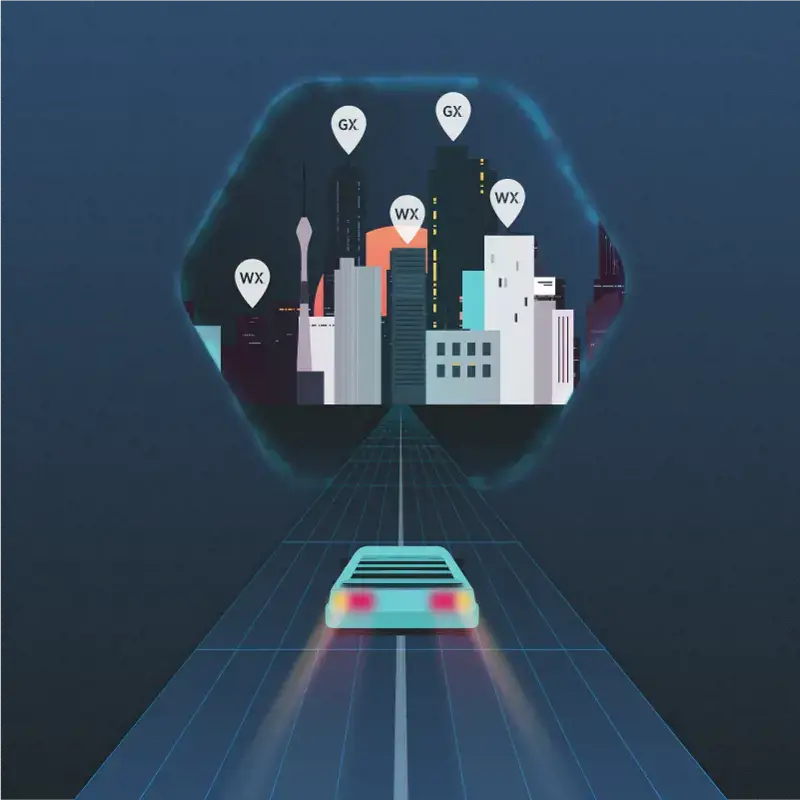
One system per portfolio, not per property
The same Protege GX license extends from a single building to a multi-site portfolio without a new platform to learn.
Fewer callbacks, better renewals
Residents manage their own visitor access and credentials through Access+, instead of waiting on the leasing office.

Less admin per turnover
Deactivating one resident and provisioning the next takes an administrator minutes, not a technician a site visit.
Proven where multifamily actually happens
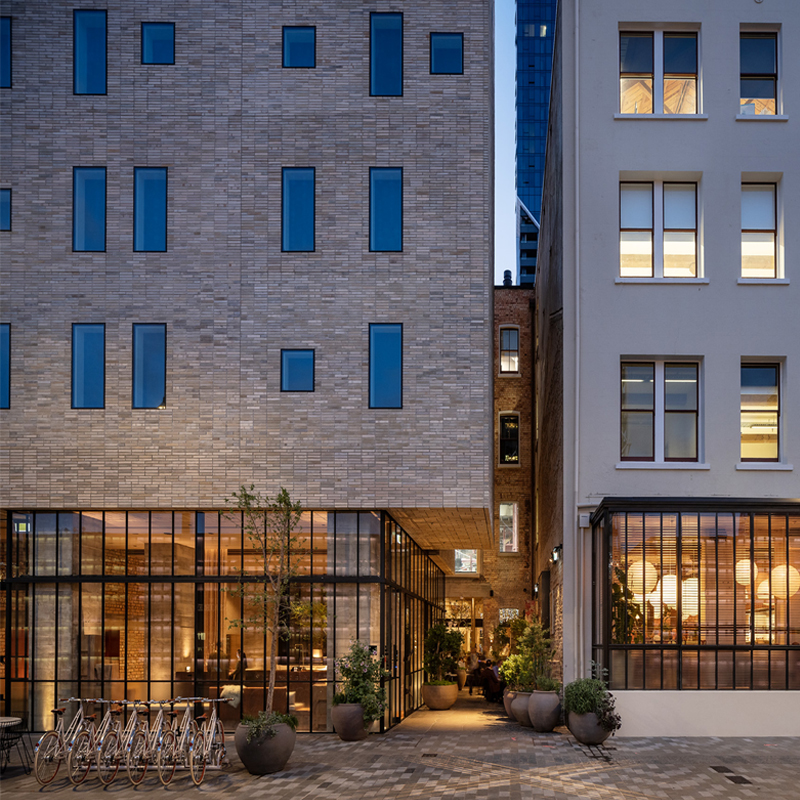
Protege GX already runs access, intrusion and building automation across more than 30,000 installations in over 50 countries, spanning single-building co-ops and regional portfolios alike. The MET, a 500-suite community in Vaughan, Ontario, runs on that same platform site-wide, letting visitors reach residents directly and freeing on-site staff to handle deliveries and day-to-day operations instead of buzzing people in one at a time.
What this means for your next multifamily bid
Multifamily is one of the few property types where a system keeps earning its place in the budget years after installation. Unlimited user licensing means portfolio growth doesn’t shrink your margin. DIN rail hardware cuts install time on high-door-count sites. And a platform residents and property managers actually use day to day gives you a reason to stay on the account instead of moving on to the next install.
Bring the licensing model into the conversation early in the bid process, not as an afterthought once the hardware is specified. It’s often the reason a multifamily quote wins.
Talk to your ICT consultant about scoping your next multifamily project.
Posted on
Industry & Technology