










Behind Every Great Journey: Securing Transportation Infrastructure for the 2026 FIFA World Cup
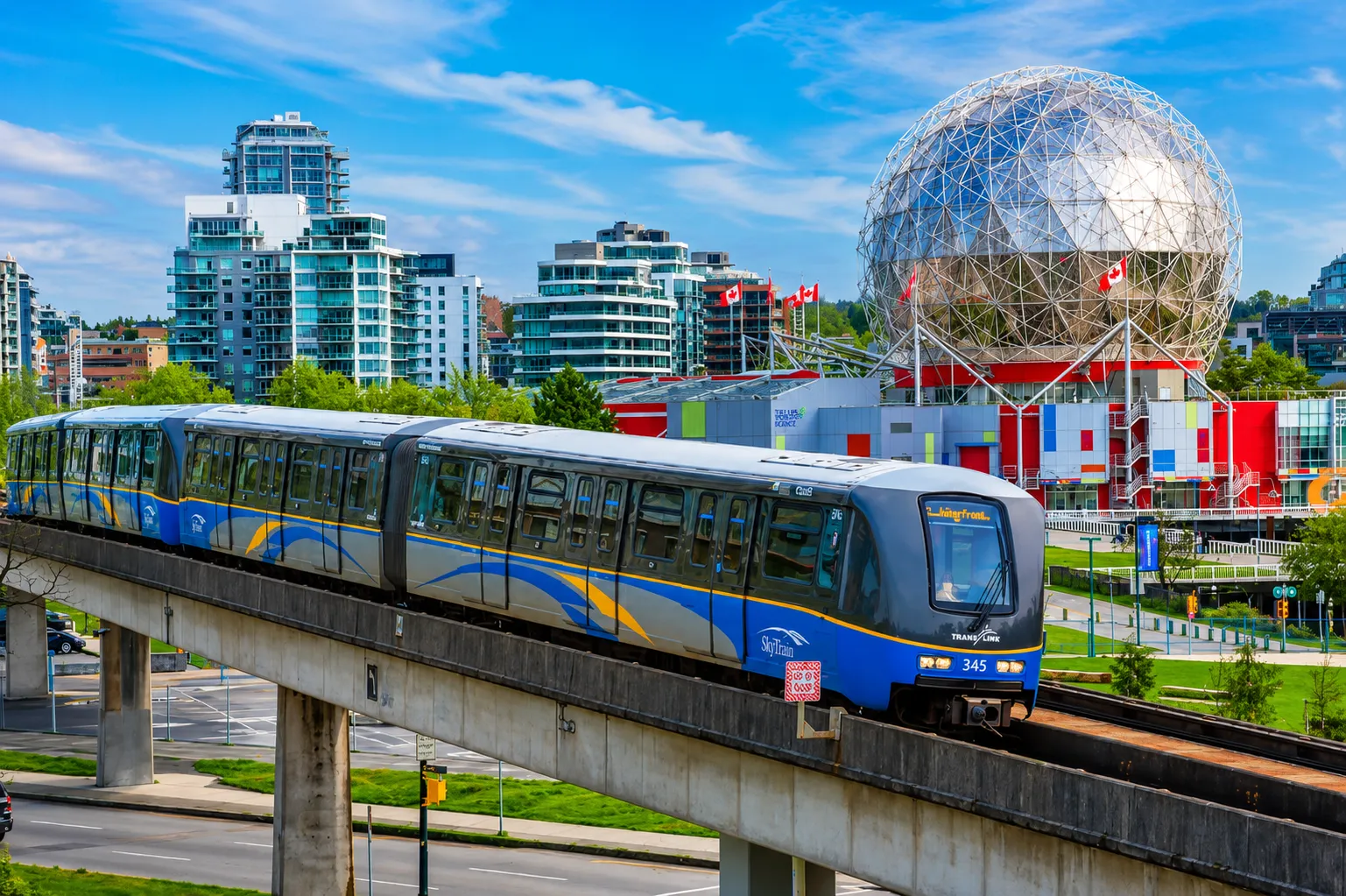
As Canada prepares to host matches for the 2026 FIFA World Cup, excitement is building for what promises to be one of the largest sporting events in history. Millions of fans will travel through airports, transit systems, transportation hubs, and critical infrastructure corridors to experience the world’s biggest stage.
While the spotlight will be on the athletes and the matches, the success of the tournament will depend on something less visible: the infrastructure that keeps people moving safely, efficiently, and reliably.
Behind every secure transportation network is a team of operators, security professionals, and integrators working together to protect critical assets while maintaining seamless operations. As host cities like Vancouver and Toronto prepare for increased demand, these teams face the challenge of securing complex environments without adding operational complexity.
The Growing Demands on Transportation Infrastructure
Major international events place extraordinary pressure on transportation systems. Passenger volumes surge, operating schedules expand, and security teams must maintain visibility across a growing number of facilities, personnel, and access points.
Transportation operators are tasked with balancing security and accessibility while managing:
- Restricted operational and maintenance areas
- Multiple facilities across large geographic regions
- Contractors, vendors, and temporary personnel
- Real-time monitoring and incident response
- Compliance and audit requirements
- Business continuity and system resilience
As infrastructure investments continue ahead of the World Cup, many organizations are looking beyond simply adding more technology. They’re looking for smarter ways to simplify operations while strengthening security.
The Challenge: Too Many Systems, Not Enough Time
For many transportation operators and the integrators who support them, complexity has become one of the biggest obstacles to success.
Access control, intrusion detection, video surveillance, building automation, and operational technologies often operate as separate systems. Each platform requires its own training, administration, support processes, and maintenance.
The result can be increased labor requirements, slower troubleshooting, higher operational costs, and fragmented visibility across critical sites.
As transportation networks expand and security requirements evolve, organizations are increasingly seeking solutions that reduce complexity rather than add to it.
Built for Integrators. Built for Critical Infrastructure.
At ICT, we believe integrators build better businesses when their technology partners are built around their success.
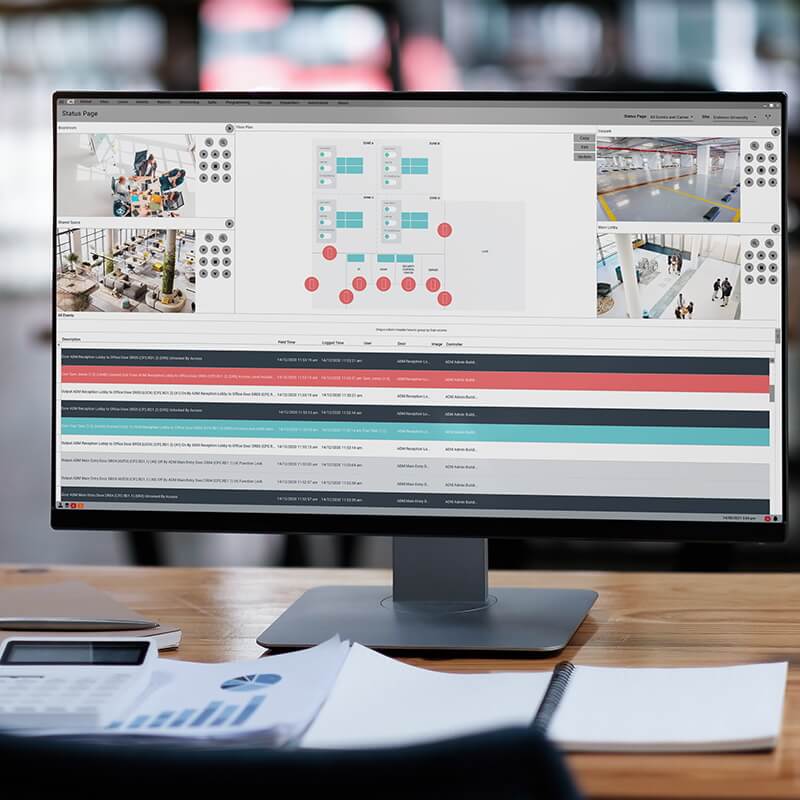
That’s why ICT’s unified platform architecture brings together access control, intrusion detection, and building automation within a single operational environment. Rather than managing multiple disconnected systems, integrators can deploy a unified solution designed to simplify installation, management, and long-term support.
For transportation and critical infrastructure projects, this approach helps deliver:
- Simplified deployment and ongoing management
- Reduced operational complexity
- Greater resilience through controller-first architecture
- Enterprise scalability across distributed facilities
- Open integrations that protect existing investments
- Opportunities to create recurring service revenue and long-term customer value
By reducing the burden of managing multiple systems, integrators can focus on delivering better outcomes for their customers while building more profitable and sustainable businesses.
Supporting Critical Infrastructure Every Day
Transportation networks require security systems that perform consistently under demanding conditions. Whether protecting transit stations, operations centers, bridges, tunnels, maintenance facilities, or transportation hubs, operators need solutions that provide visibility, control, and reliability.
ICT supports organizations responsible for securing some of the most demanding environments in the world by providing solutions designed for:
- Distributed facility management
- High-security access control
- Real-time alarm monitoring and response
- Integration with video surveillance and third-party technologies
- Enterprise-scale deployments
- Long-term operational resilience
These capabilities help organizations maintain situational awareness and operational continuity while supporting future growth.
Security That Works Quietly in the Background
The best security is often the security nobody notices.
Passengers should experience smooth journeys. Operators should have confidence in the systems they rely on. Critical infrastructure should continue functioning without interruption, even during periods of heightened activity.
Major events like the 2026 FIFA World Cup showcase the importance of resilient infrastructure, but they also highlight the value of strong partnerships.
The transportation systems supporting millions of visitors will depend on technology, operators, and integrators working together seamlessly behind the scenes. At ICT, we’re proud to support the partners helping secure these critical environments every day.
Because when security is simpler to deploy, easier to manage, and built for the future, everyone succeeds.
That’s what it means to partner with ICT. And that’s how we help our partners Secure Their Success.