










What it takes to build a smart multifamily building
Electronic locks, smart thermostats and mobile-controlled security are all part of what the industry calls the smart building trend, whether the label is automated, connected or tech-enabled. The real question for a property is what to install, and in what order.
What is a smart building?
Drawing on devices connected to the internet, a smart building uses automation protocols to manage and control systems such as HVAC and lighting. Present a keycard at an access reader, for example, and the reader can tell the building controller to turn on the air conditioning and entry light for that apartment.
Smart buildings are ultimately about improving efficiency, comfort and performance, creating a more sustainable and convenient environment for the people who live there.
Better returns with fewer inefficiencies is the goal. The question is where to start.
Tenant expectations have shifted along with the technology available to meet them. Renters increasingly weigh keyless entry, mobile-controlled access and a fast way to reach the property about a maintenance issue alongside floor plan and price. A system added one piece at a time struggles to keep up with that, since each new addition needs the last one to still make sense.
Components
Creating a smart building goes beyond trendy features or answering the door from a phone. Here’s what it actually involves.
The system
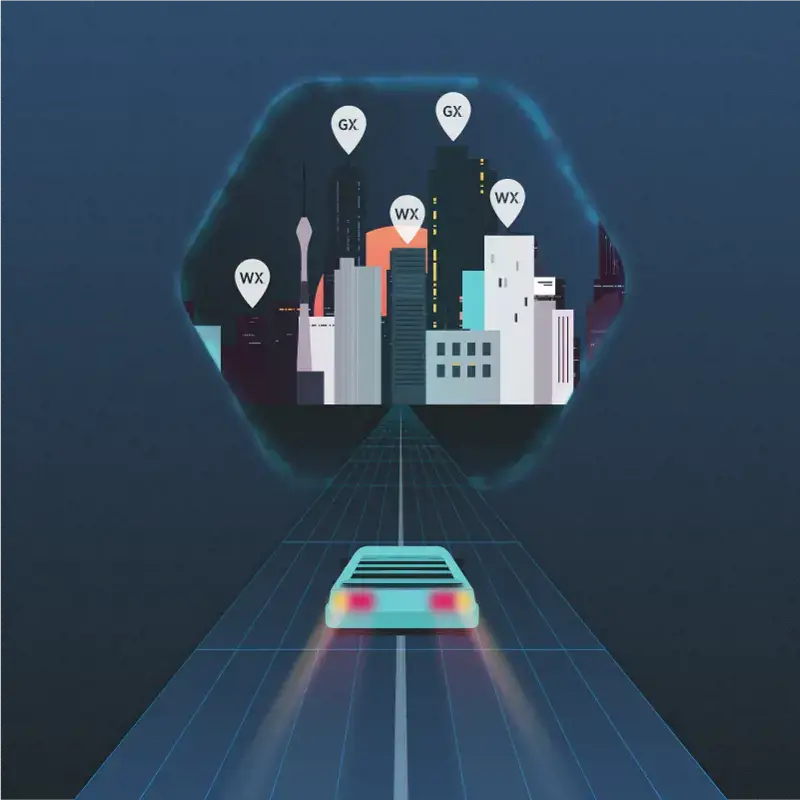
The brains of the building come first — in ICT’s case, that’s Protege WX or Protege GX. Choosing the system is the most important step, since its functionality determines whether the building’s technology works as one platform or as a pile of disconnected point products. ICT’s built-in elevator control and building automation integration bring tenant convenience and security together under the same system.
The perimeter
High-security access readers, like ICT’s tSec and TSL card readers, make sure only people with permission can get into the building. Built-in Bluetooth and NFC support turns the same readers into a mobile-controlled access option for property managers and tenants alike. There’s no need to juggle keys, cards and apps with ICT’s Mobile Credentials and one card solution.
Garage access
ICT’s Wireless 433MHz product range opens a garage or gate from a distance, without rolling down a window. These transmitters integrate with Protege’s building automation features, so a single button press can open the gate and turn on the garage lights. The transmitter is also available with an optional DESFire, MIFARE or HID-compatible proximity device, making it suitable for standard door access too.
Automatic license plate recognition removes the fob altogether. A camera reads the plate as the vehicle approaches the gate and grants or denies access against the resident’s pre-programmed rights.

Interior access
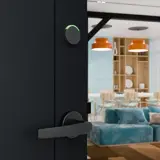
Locking solutions like Protege Wireless Locks — or, outside North America, an integrated wireless lock — give residents freedom of movement inside while keeping unwanted visitors out. With a sleek and refined aesthetic that suits any building, wireless locks make it practical to deploy electronic access control where a traditional wired lock would be difficult or costly to run.
One platform, not three
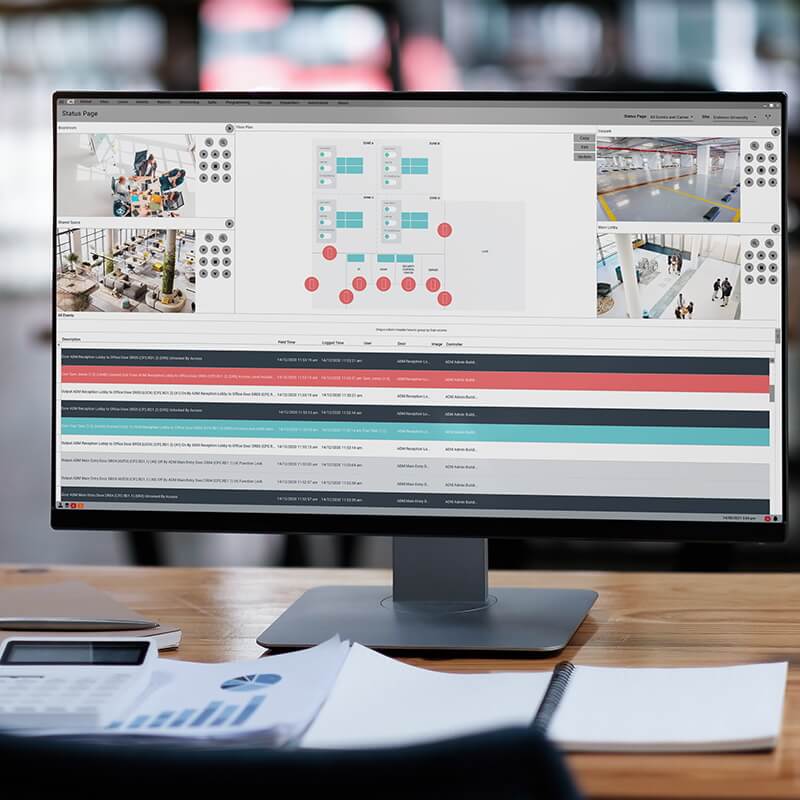
An entire apartment complex, one pane of glass. ICT’s unified platform brings together access control, intrusion detection and building automation in a single system. One database means no gaps between the who, what, when and where, and gives property managers the context they need to get into the granular details instead of cross-referencing three separate tools.
Every property’s needs are different, which is why open but secure technology matters. Wireless sensors, smart lights and thermostats, or a fully custom integration are all straightforward to add with ICT’s off-the-shelf integrations and custom integration tools.
Posted on
Industry & Technology