













Smart Building Trends Shaping Security in 2026
A Shift Toward What Really Works
The physical security industry is undergoing significant transformation, moving away from trend-chasing toward practical solutions. We are seeing a shift toward systems that are not only user-friendly but supported by partners who genuinely care about long-term success.
Stakeholder expectations have evolved. Integrators seek flexibility, operators want simplicity, and all parties demand future-relevant systems. Here are three core areas shaping success in 2026.
1. Partnerships and Strategic Collaboration
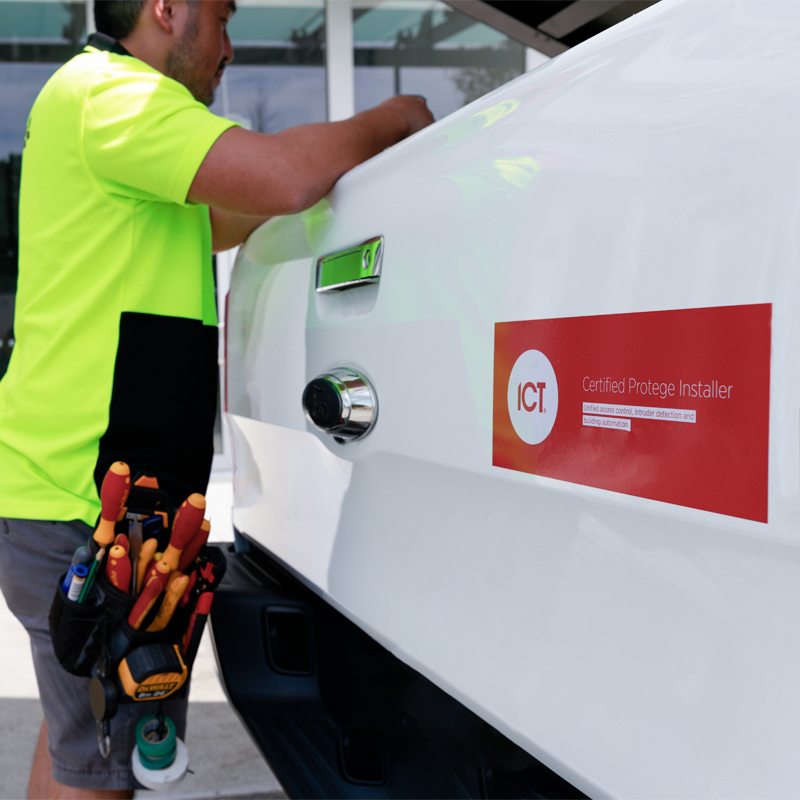
The industry increasingly values manufacturer-integrator relationships focused on listening and adaptation. Integrators have expanded well beyond installations to designing complex, tailored solutions for their clients.
Integrators are looking for manufacturers who actually take the time to listen, respond to their feedback, and adapt. This means deeper collaboration on product roadmaps, responsive technical support, and a genuine investment in each partner’s growth.
Trust, adaptability, and long-term support are the pillars of these partnerships — and they drive better outcomes for everyone in the value chain, from manufacturer to end user.
2. Simpler Security and Flexibility
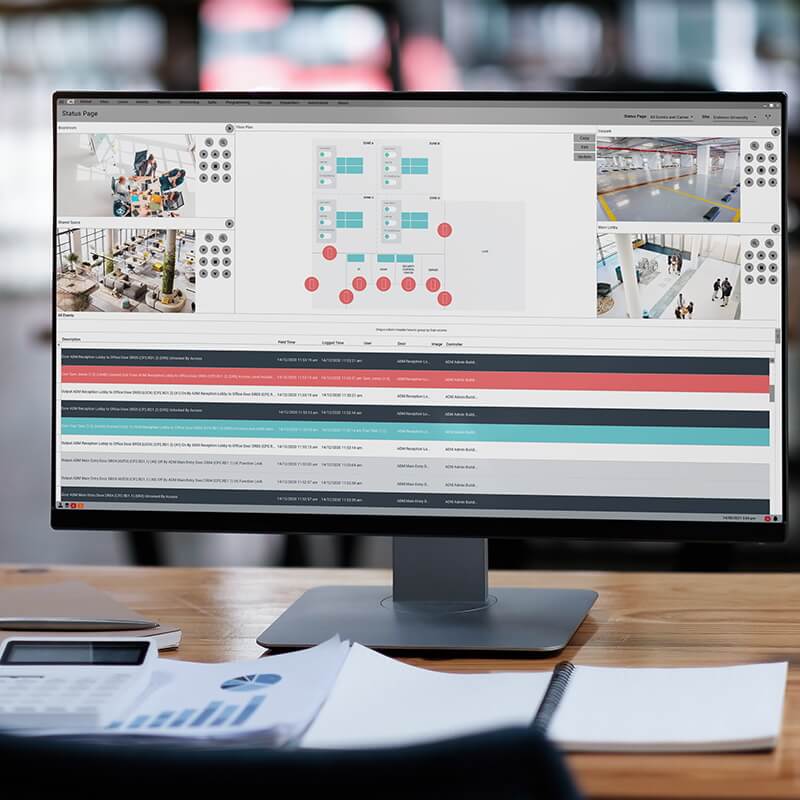
Security systems increasingly prioritize ease of use. Touchless access, mobile credentials, and intuitive interfaces are now essential features — not nice-to-haves. Open, interoperable platforms enable organizations to adapt and scale without costly rip-and-replace projects.
Security should enhance daily life, not slow it down. When systems are intuitive and flexible, adoption rates improve, operational costs drop, and end users actually embrace the technology rather than working around it.
3. Convergence of Physical and Cybersecurity
Physical security and cybersecurity integration is now imperative. With access control systems tied to networks and cloud platforms, end-to-end data protection becomes critical. Physical security is not separate from cybersecurity anymore — they are now one and the same.
Organizations must consider how every connected device, from door controllers to IP cameras, fits into their overall security posture. Encrypted communications, regular patching, network segmentation, and compliance certifications like ISO 27001 are no longer optional for manufacturers and integrators alike.
Looking Ahead
The industry is embracing relationship-driven approaches that balance technology with usability, flexibility, and support. Success in 2026 will belong to those who prioritize genuine partnerships, build systems people actually want to use, and treat physical and cybersecurity as inseparable disciplines.